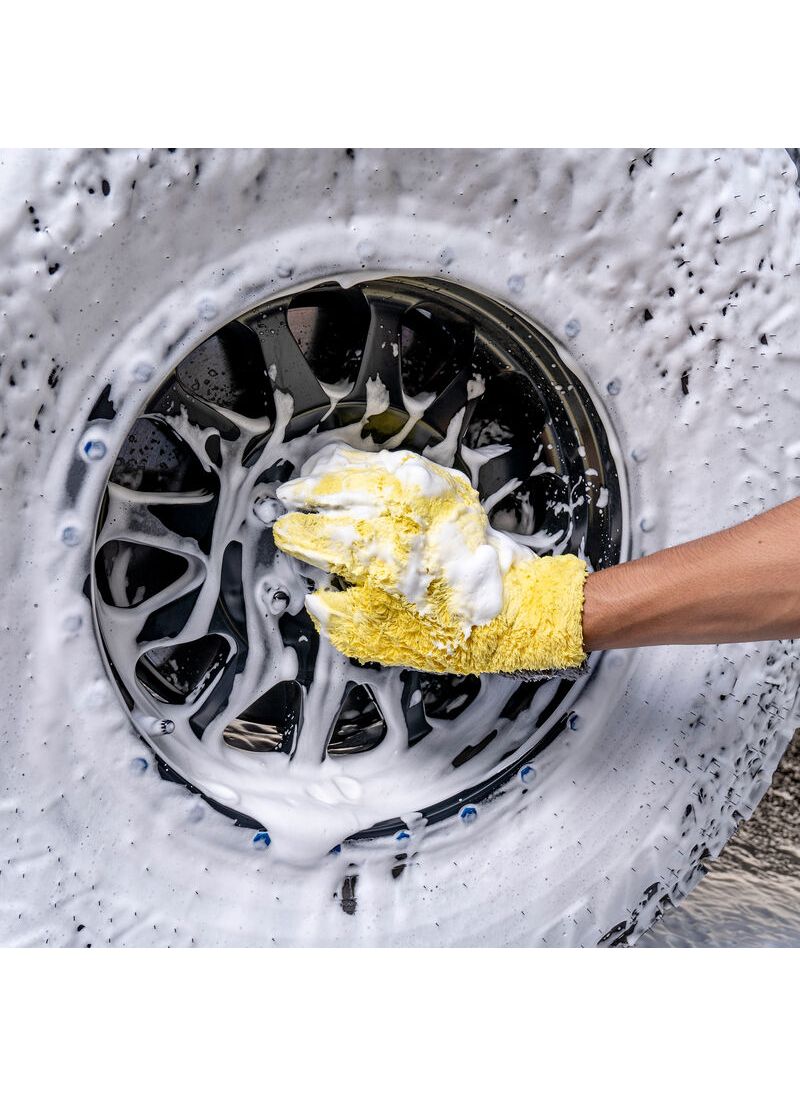
Applicator pads for controlled and even application
Apply wax, polish, sealant, and dressing neatly without unnecessary product waste
A good detailing product truly performs when applied in a controlled and even manner. With the right applicator pad, you spread wax, polish, glaze, sealant, or dressing in a thin and uniform layer over paint, carbon, plastic, or wheels. This way, you work more precisely, use less product, and prevent thick spots that are difficult to buff out later.
- Even distribution of wax, polish, glaze, and sealant
- More control during manual application
- Soft materials for sensitive surfaces
- Compact size for body panels, wheels, and details
- Suitable for various detailing steps and products
In this collection, you will find different types of applicator pads from brands like Monello and Chemical Guys. The soft microfiber applicators are versatile for applying wax, glaze, paint sealant, dressing, and light polishes. Foam applicators are especially suitable when you want to spread a liquid or cream product thinly over the surface. For wheels and hard-to-reach areas, there are specially shaped applicators that make it easier to work between spokes, around bolts, and along narrow edges.
Choosing between microfiber or foam applicators
The most suitable applicator pad depends on the product and the surface. A soft microfiber pad easily spreads liquid and cream products and adapts well to curved body panels. This type of pad is therefore suitable for motor wax, glaze, sealant, detailer, and plastic dressing.
A foam applicator has an even and relatively closed surface. With this, you can apply a product thinly without much liquid immediately soaking into the pad. This is practical for wax, paint sealant, and other protective products where a thin layer usually works better than a thick one. A thicker layer generally does not provide better protection, but uses more product and can be harder to buff out.
Work cleanly and prevent unwanted scratches
Always use an applicator pad on a clean and cooled surface. Remaining sand, dust, or hard dirt can be moved over the paint during application and cause light scratches. Therefore, clean the vehicle thoroughly first and also check the pad before you start.
Preferably use separate applicator pads for different applications. For example, keep one pad separate for paint, another for tire or plastic dressing, and a separate applicator for wheels. This prevents residues of different products or dirt from ending up on another surface.
Apply a small amount of product to the applicator and spread it calmly in a thin, even layer. Work in small sections and then follow the instructions of the applied detailing product. Do not let wax, polish, or sealant dry longer than recommended and use a clean microfiber cloth for buffing out.