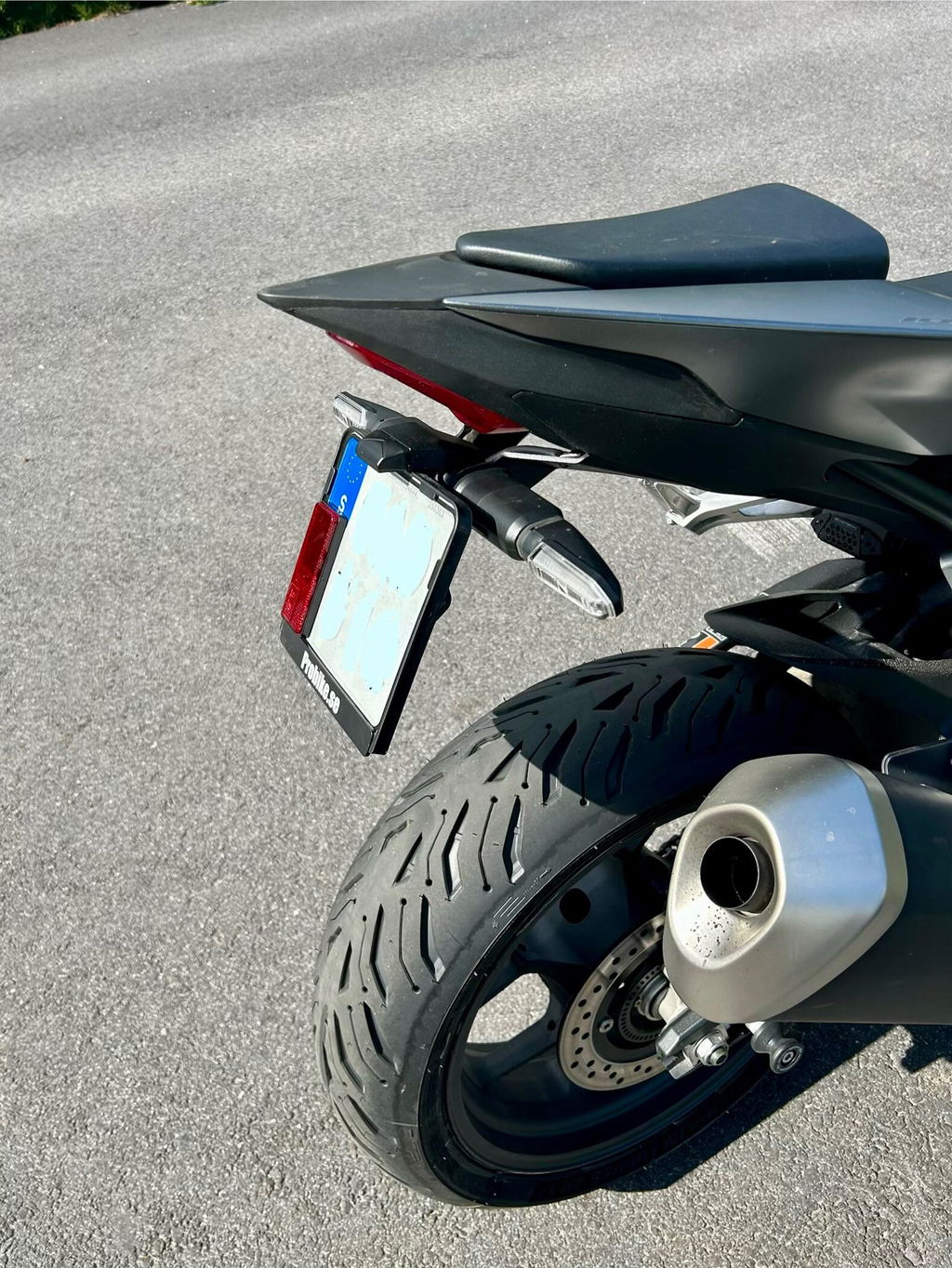
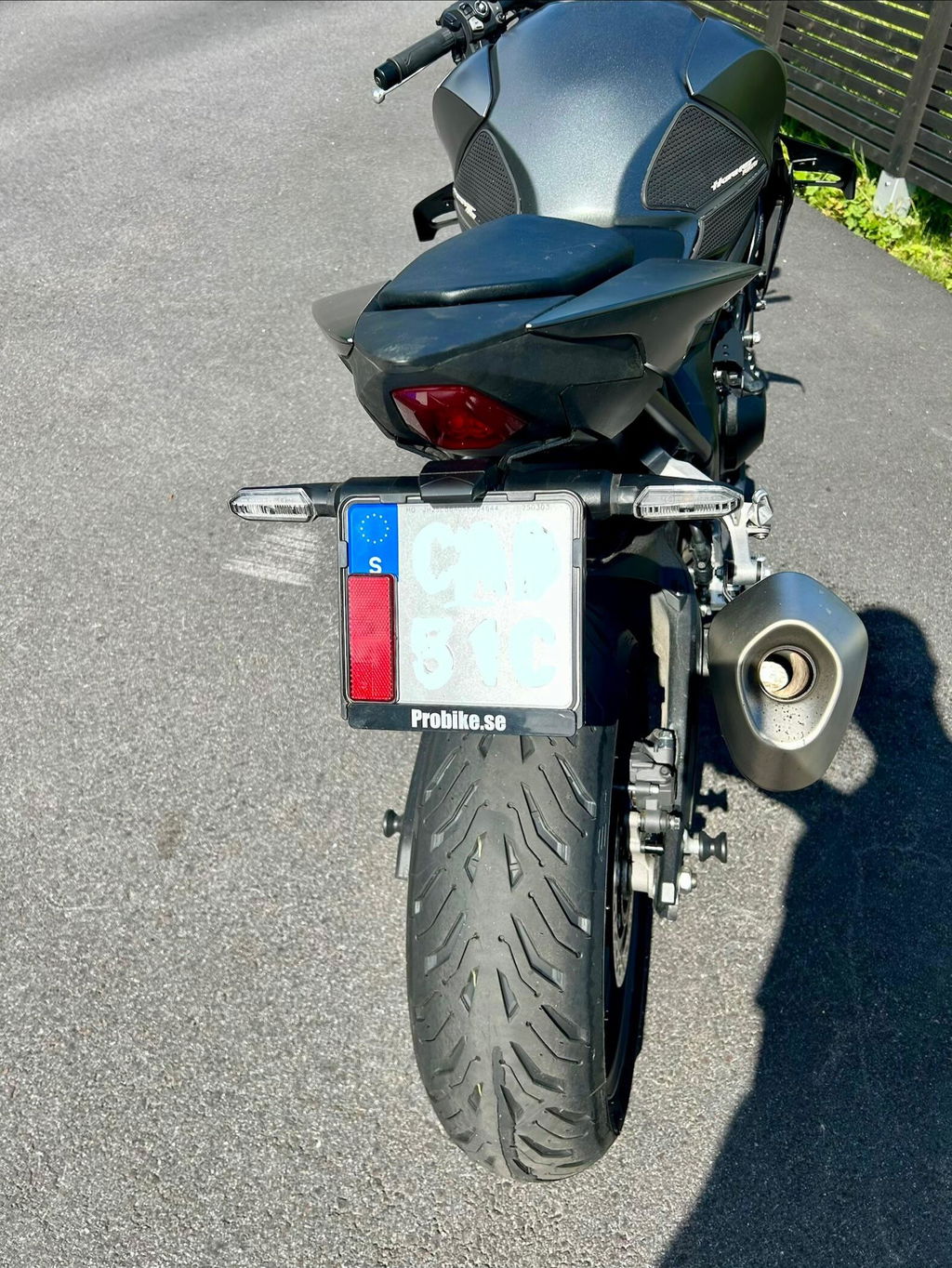
Slip-on Exhausts for Sound, Weight, and Appearance
Replace the original muffler with a model-specific slip-on that fits your motorcycle and existing exhaust configuration
A slip-on usually replaces the original muffler and connects to the existing linkpipe, catalytic converter, or muffler box. This allows you to change the appearance, material, and exhaust sound without always replacing the entire exhaust system from the cylinder heads.
- Model-specific slip-on exhausts for a variety of motorcycles
- Options in Stainless steel, black Stainless steel, Titanium, and Carbon
- Various muffler shapes, endcaps, and mounting styles
- Versions from G&G Bike, SC-Project, HP Corse, and Zard
- Street-oriented and Racing configurations available
This collection includes compact GP mufflers, classic oval exhausts, high-mounted systems, and various motorsport-inspired designs. The exact scope of delivery and technical features vary by manufacturer and motorcycle.
What does a slip-on replace?
With a traditional slip-on, a large part of the original exhaust system remains intact. The original muffler is removed and replaced with a new muffler with a matching linkpipe or adapter.
On some modern motorcycles, the catalytic converter or large muffler box is located under the engine block. In that case, a slip-on mainly changes the visible muffler and the sound after this central box.
Stainless steel, Titanium, or Carbon
Stainless steel is strong and durable and can be polished, brushed, or finished in black. Titanium combines low weight with a distinctive technical look.
Carbon is often used for the muffler sleeve and gives a pronounced sporty appearance. The linkpipe and internal construction are usually made of metal.
Type approval and dB Killer
Not every slip-on has the same approval. Check per product whether the system has a relevant EC/ECE type approval and for which motorcycle, model years, and configuration it applies.
A removable dB Killer does not mean the exhaust is approved for public roads without this insert. Removing a catalytic converter or other prescribed component can also change the legal status.
Is ECU tuning necessary?
With a slip-on mounted behind the original catalytic converter and muffler box, ECU adjustment is often not necessary. This may differ with an open Racing muffler, removed catalytic converter, or other simultaneous modifications.
Always follow the exhaust manufacturer's product information. Have the fuel tuning checked if the engine runs irregularly, shows error messages, or if intake and exhaust have been significantly modified.
Installation and inspection
First loosely assemble all connections, align the muffler without tension, and only then tighten clamps and supports securely. Check for sufficient clearance from the swingarm, tire, brake line, license plate, and fairing.
After the first warm-cold cycles, check all fastenings and inspect the connections for exhaust gas leaks.